We have come to the place in Paul’s epistles to the Thessalonians where futurists in the Christian community point to as the stronghold of their belief that the return of Christ is yet future. In other words, the Lord had not returned, as he said he would, that is, he had not come during the first century AD. He said he would (Matthew 16:27-28; 23:36; 24:30-34), and his disciples preached he would (1Corinthians 15:52; 1Thessalonians 4:16-17; Titus 2:13; James 5:8-9; 1Peter 1:13; 4:7; Revelation 3:3), but futurists say he obviously didn’t return, because he isn’t physically reigning from Jerusalem etc. Although Paul told the believers in Thessalonica to expect the coming of the Lord in their lifetimes, Jesus’ coming was (somehow) delayed!
Jesus said that generation, in which the Gospel was first preached, would not pass away until all things were fulfilled (Matthew 23:36; 24:34), and that some of the folks who listened to Jesus preach in Jerusalem would be alive to see him return in the glory of the Father, with his mighty angels to reward and vindicate the saints (Matthew 16:27-28). Nevertheless, many brethren, instead of believing what Jesus clearly said, jump through hoops in an effort to deny the clear word of God, so they could support the many-times-failed teachings / traditions of end-time, and rapture enthusiasts both living dead (cp. Mark 7:6-13).
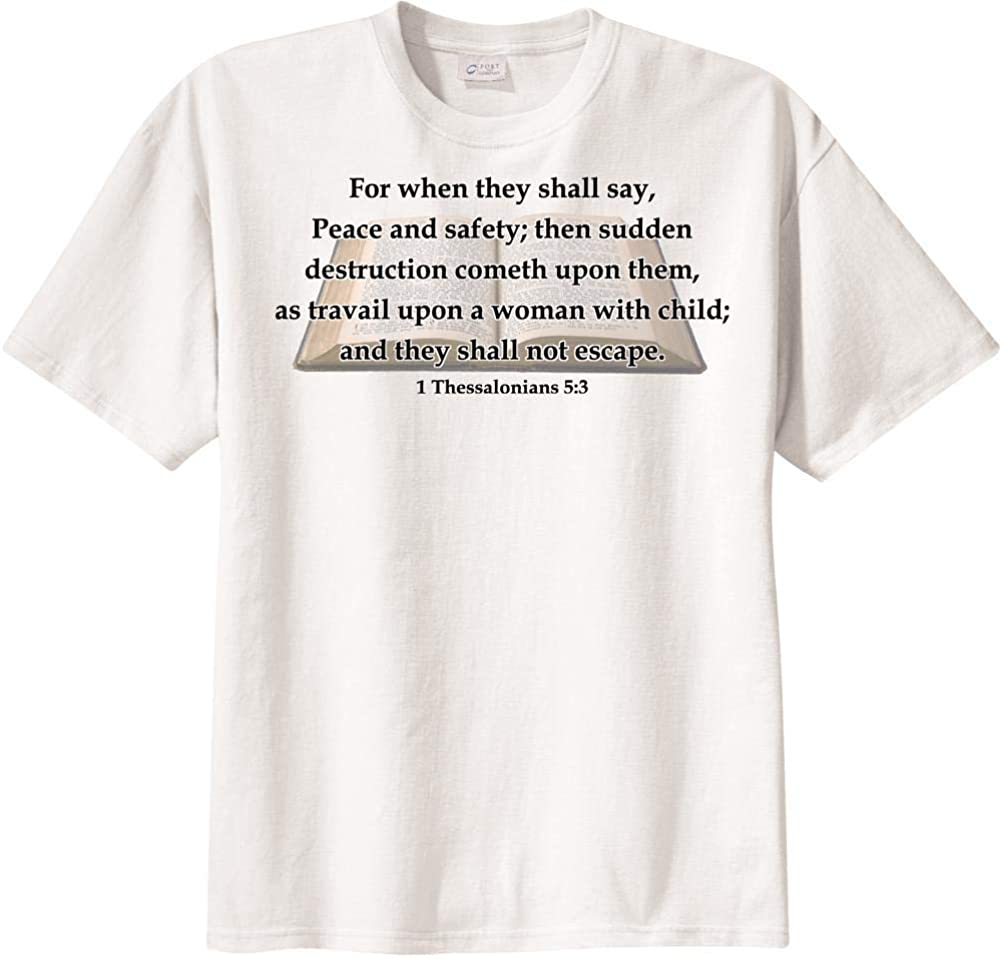
Paul tells us that he preached nothing but the hope of Israel, of the things found in the Old Covenant text (Acts 26:6-8, 22-23). Thus, his doctrine of the coming of Christ and the resurrection (1Thessalonians 4:13-18) is taken directly from what he read in the scrolls of the Law and he Prophets. Paul mentioned judgment was come upon unbelievers as the travail of a woman with child (1Thessalonians 5:3), which is nothing less than national judgment, according to the Old Covenant text: Jeremiah 4:31; 6:22-25; 22:20-23; 49:24; 50:1-2, 43. In other words, Paul isn’t speaking of believers being taken unaware, but the unbelieving Jews who had initiated the times of persecution upon the righteous followers of Christ (cp. Matthew 23:31-35). It is the unbelievers who are not aware of the coming judgment upon them!
Notice what John the Baptist told the leaders of the Jewish nation during the first century AD: “But when he saw many of the Pharisees and Sadducees come to his baptism, he said unto them, O generation of vipers, who hath warned you to flee from the wrath to come?” (Matthew 3:7). John told them that judgment was coming, that the axe was already laid upon the root of the tree (Matthew 3:10). John also mentioned the coming of Christ, and the Messiah already had the harvest tools in his hand. In other words, the Lord had come to separate the grain from the chaff, the righteous from the unrighteous, and the chaff, or the unrighteous would be burned with fire, meaning they would be judged (Matthew 3:12).
Paul told the Thessalonian believers that judgment or wrath would come upon the evildoers in the first century AD as travail upon a woman with child (1Thessalonians 5:3). In other words national judgment was coming (Jeremiah 4:31; 6:22-25; 22:20-23; 49:24; 50:1-2, 43), and this was going to occur, because they had crucified the Lord, and persecuted and slew those Jesus had sent to them, calling for repentance (1Thessalonians 2:15-16; cp. Matthew 23:31-36).
John the Baptist had predicted national judgment was about to come upon the Jewish nation (Matthew 3:7-12). Jesus then described the leaders of that nation as the children of those who had killed the prophets, and proof of that would be that they would kill those he sent to them in an effort to get them to repent, and all these things would come upon that very generation of Jewish leadership that he described (Matthew 23:31-36). They didn’t repent (1Thesslaonians 2:15-16), and Paul mentioned the judgment that was certain to come upon the Jewish nation as travail upon a woman with child (1Thessalonians 5:3).
 Smoodock's Blog